Sauna Showdown: Traditional vs. Infrared
Which Is Better for You?
When an Ohio winter settles over the Miami Valley, few things beat stepping into real, soaking heat at the end of the day. More Dayton-area homeowners are adding a sauna to their wellness routine, and the first question we hear at HotSpring Spas of Dayton is always the same: traditional or infrared? Both deliver deep relaxation, but they heat you in very different ways. Here’s a clear, side-by-side look so you can choose the one that fits your body, your home and your lifestyle.
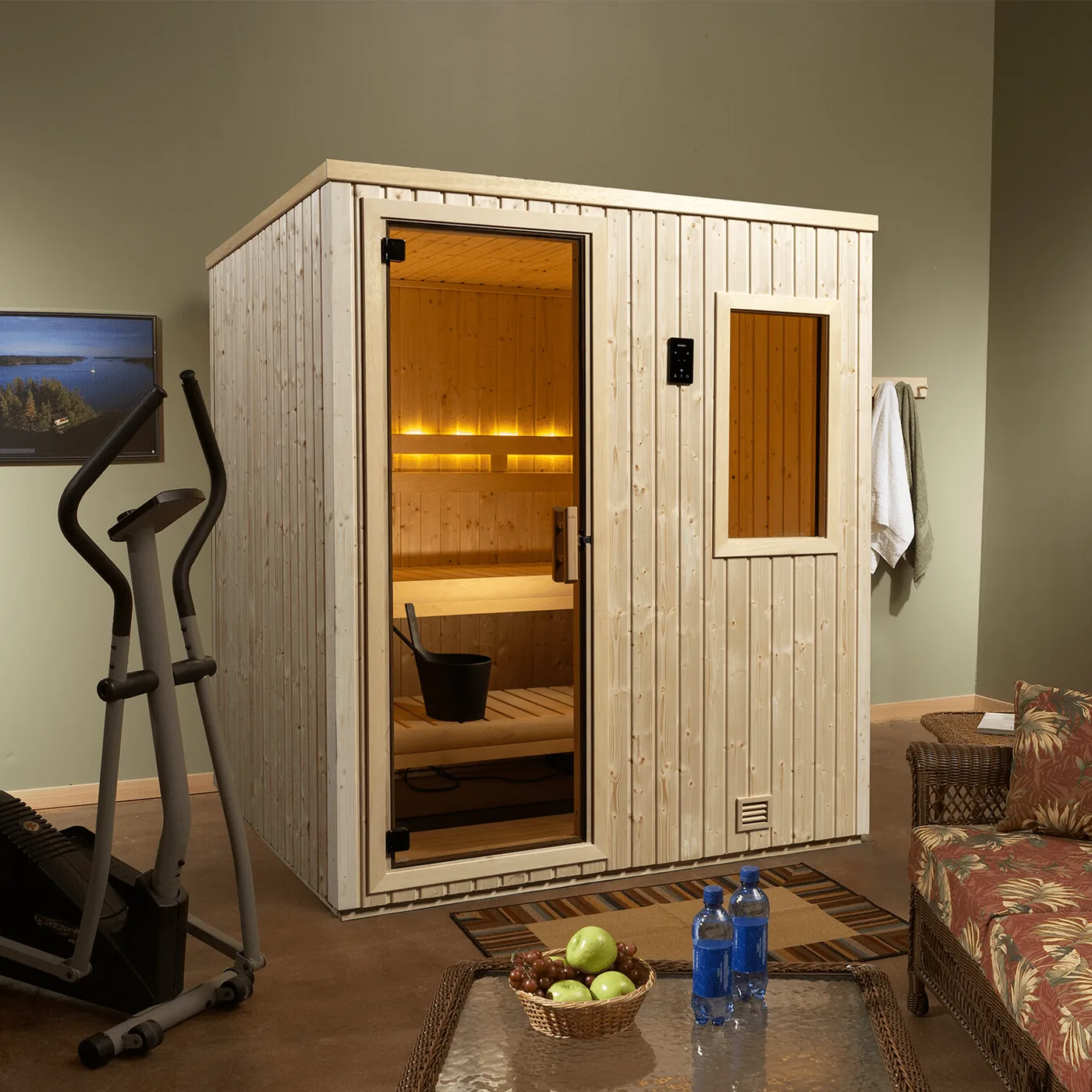
How a traditional sauna works
A traditional (Finnish-style) sauna uses an electric or wood-burning heater to warm the air, rocks and wood around you. Temperatures typically run 150–195°F. Ladle water over the hot stones and you get a burst of steam, called löyly, that raises the humidity and intensifies the heat.
Why people love it:
That classic, enveloping heat and the ritual of pouring water on the stones
Room for family or friends to sit together
Decades of research, much of it from Finland, on regular sauna bathing
Keep in mind: a traditional sauna usually needs 30–45 minutes to preheat, and many heaters require a dedicated 240V circuit.
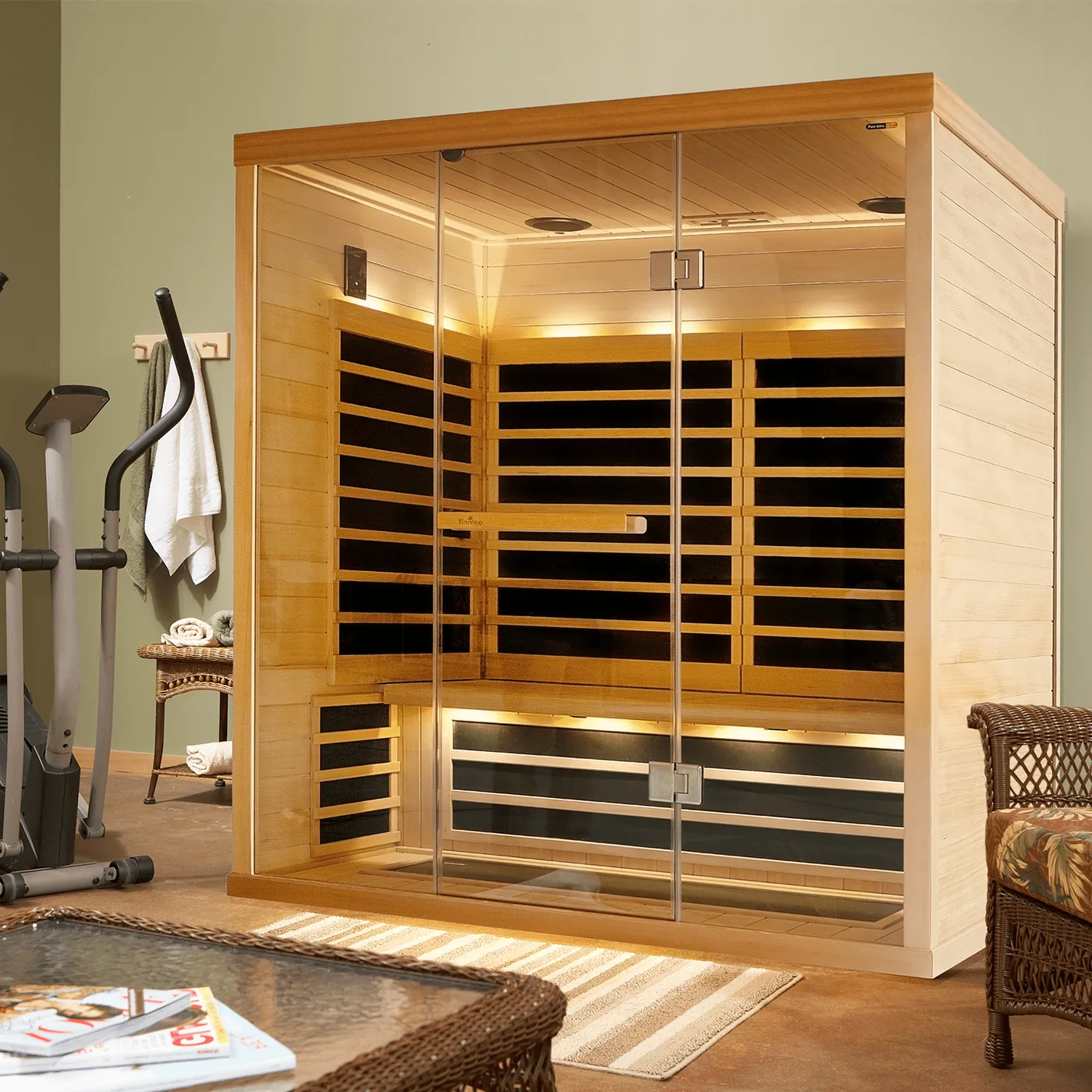
How an infrared sauna works
An infrared sauna uses carbon or ceramic panels that emit infrared light, which warms your body directly rather than heating all the air first. The cabin stays cooler, usually 120–140°F, yet you still work up a deep sweat.
Why people love it:
Gentler air temperature that’s easier to tolerate for longer sessions
Warms up in about 10–20 minutes
Compact designs, and many models plug into a standard household outlet
Lower operating costs for many households
Keep in mind: there’s no steam or water on stones, so you won’t get that classic “sauna” feel.
Traditional vs. infrared at a glance
Feature
Traditional sauna
Infrared sauna
How it heats
Heats the air and stones around you
Infrared panels warm your body directly
Typical temperature
150–195°F
120–140°F
Humidity
Adjustable with steam
Dry heat
Warm-up time
30–45 minutes
10–20 minutes
Electrical
Often a dedicated 240V circuit
Many models use a standard 120V outlet
Feel
Intense, classic, social
Gentle, steady, easy to tolerate
Best for
Heat lovers and groups
Beginners, small spaces, longer sessions
Which sauna is right for you?
There’s no single winner. The best sauna is the one you’ll use most often.
Choose a traditional sauna if you:
Crave high heat and the steam of water on hot stones
Want a social space for family or friends
Have room for a slightly larger installation, indoors or out
Choose an infrared sauna if you:
Prefer milder heat or are new to saunas
Want a quick warm-up for busy weeknights
Are working with a smaller space, like a basement corner or spare room
Either way, start with shorter sessions, drink plenty of water, and check with your doctor first if you’re pregnant or have a heart condition or other health concerns.
Frequently asked questions
Is infrared or traditional sauna better for health? Both raise your core temperature and promote sweating and relaxation. Most long-term research has studied traditional saunas, while infrared appeals to people who prefer gentler heat. The best choice is the one you’ll use consistently.
How long should a sauna session last? Most people do 10–20 minutes in a traditional sauna and 20–30 minutes in an infrared sauna. Beginners should start shorter.
Can I put a sauna outdoors in Ohio? Yes. Many traditional saunas are built for outdoor use. Infrared models are usually designed for indoor spaces such as basements, garages or spare rooms.
Which costs less to run? Infrared saunas often use less energy because they run at lower temperatures and warm up faster.
Find your perfect sauna at HotSpring Spas of Dayton
Still deciding? Stop by HotSpring Spas of Dayton to talk with our wellness experts. We’ll help you compare options, plan your space, and see how a sauna and a Hot Spring hot tub can work together in your home.
Visit our showroom or contact us today to start building your personal wellness retreat.